
Dr Jamie's Tips
Morbi leo risus, porta ac consectetur ac, vestibulum at eros. Integer posuere erat a ante venenatis dapibus posuere velit aliquet. Duis mollis, est non commodo luctus, nisi erat porttitor ligula, eget lacinia odio sem nec elit. Sed posuere consectetur est at lobortis.
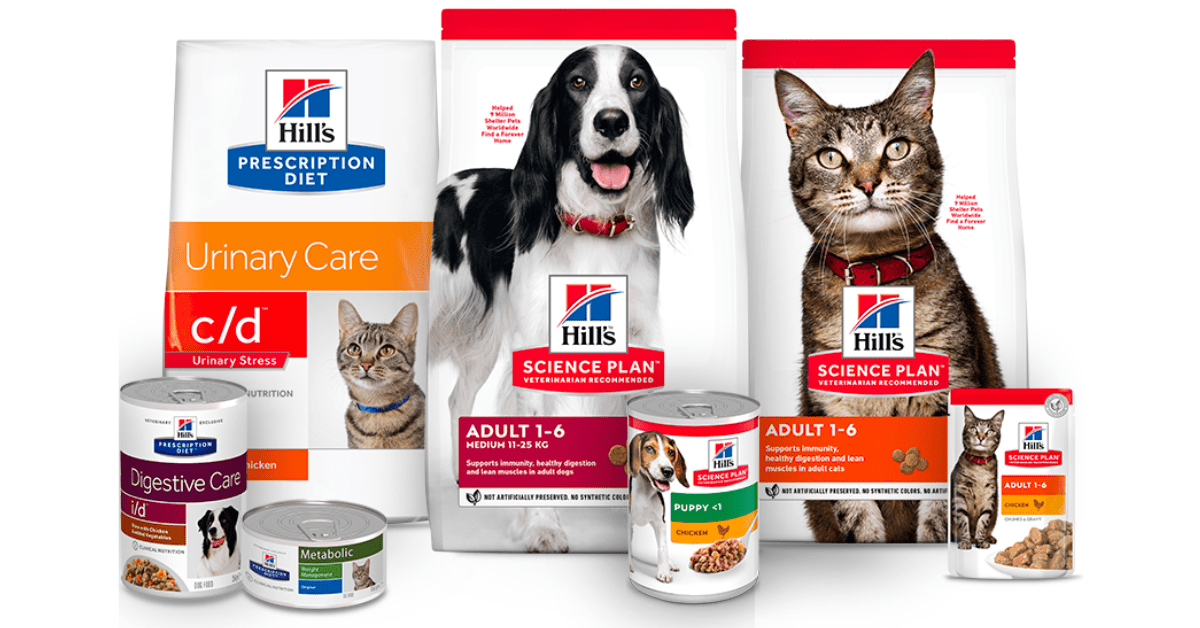
Hills Prescription and Science diet full range available in clinic!
Dr Jamie has been caring for the pets of Mansfield and the surrounding district for almost 40 years. Below are some of his practical tips to help keep your pets healthy and happy throughout every stage of life.
Diet
Diet is simple, good quality dry food (no tinned food or mince), raw bones and table scraps (no onions as these are toxic to pets).
The clinic sells Hills Prescription and Science diet for cats and dogs - we happily endorse these foods and use them in the hospital. They are high quality, well balanced and easily digestible. Above all else you will see the difference in your pet’s general health, skin and coat.
Feed a complete, balanced diet according to your pet's age, size and activity level. Your veterinarian can recommend the most suitable feeding routine.
Never feed them raw liver - it can contain hydatid cysts that infect your dog and ultimately you - it is nasty and life threatening to people - don’t do it!
Puppies and Kittens
Your new kitten or puppy needs a first vaccination and microchip within 6-8 weeks of age.
At approximately 10-12 weeks of age, your pet requires their second vaccination.
We encourage from 14-17 weeks of age to desex.
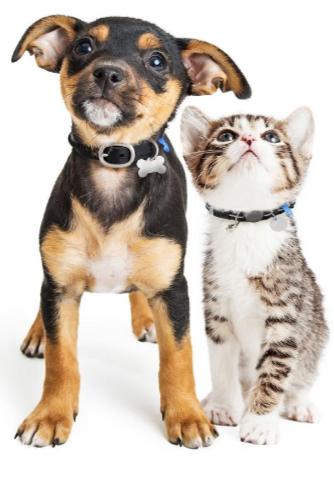
There are many benefits to performing these treatments at this young age:
It costs less to desex younger
No “heat” cycle
Shire registration is cheaper
Pets stay at home rather than wandering
Pets are generally happier
Pets immune systems are stronger!
Snake Bites
This is a serious life threatening emergency and should be treated quickly.
Early signs include:
Profuse salivation
Vomiting
Incoordination (wobbly walk) leading to paralysis.
Dilated pupils
Identifying the snake is not required as our antivenom covers all snakes.
ALWAYS ring the clinic to enable us to prepare for your arrival. Intensive care treatment, intravenous drip, pain relief and antivenom are extremely successful if commenced early.
Ageing
Ageing comes to us all, including our pets. As with humans it is necessary for your pets to stay trim and active. If arthritis or heart disease become a problem there are very effective drugs available to help keep them healthy.
Please ask us when we do their annual check-up how we can make your pets live longer and stay healthy well into old age!
Care After Surgery
If your pet has to undergo surgery then it is necessary to hold food on the morning of admission. Pain relief is given during surgery and it is wise to keep our pet confided for up to 10 days until stitches are removed. Check the incision daily, salt water bath if required. Your pet must not lick the incision so an Elizabethan Collar may be required.
REMEMBER we like dry, white and tight, not hot, red and swollen.
If in doubt please ring - follow up consultations are free (except for drugs).
Follow your veterinarian's instructions for wound care. Check the incision daily and contact us if you notice redness, swelling, discharge or your pet is excessively licking the area.
Caring for Injured Wildlife
Be careful! Injured animals are capable of injuring you. They are frightened, painful and difficult patients.
To capture, throw a blanket or towel over the patient and contain their beak, teeth, claws etc.
Seek veterinary attention for serious injuries and to discuss their diet while in recovery. We don’t charge a consultation fee to examine wildlife but we do charge a nominal fee $5 to cover drug costs.